


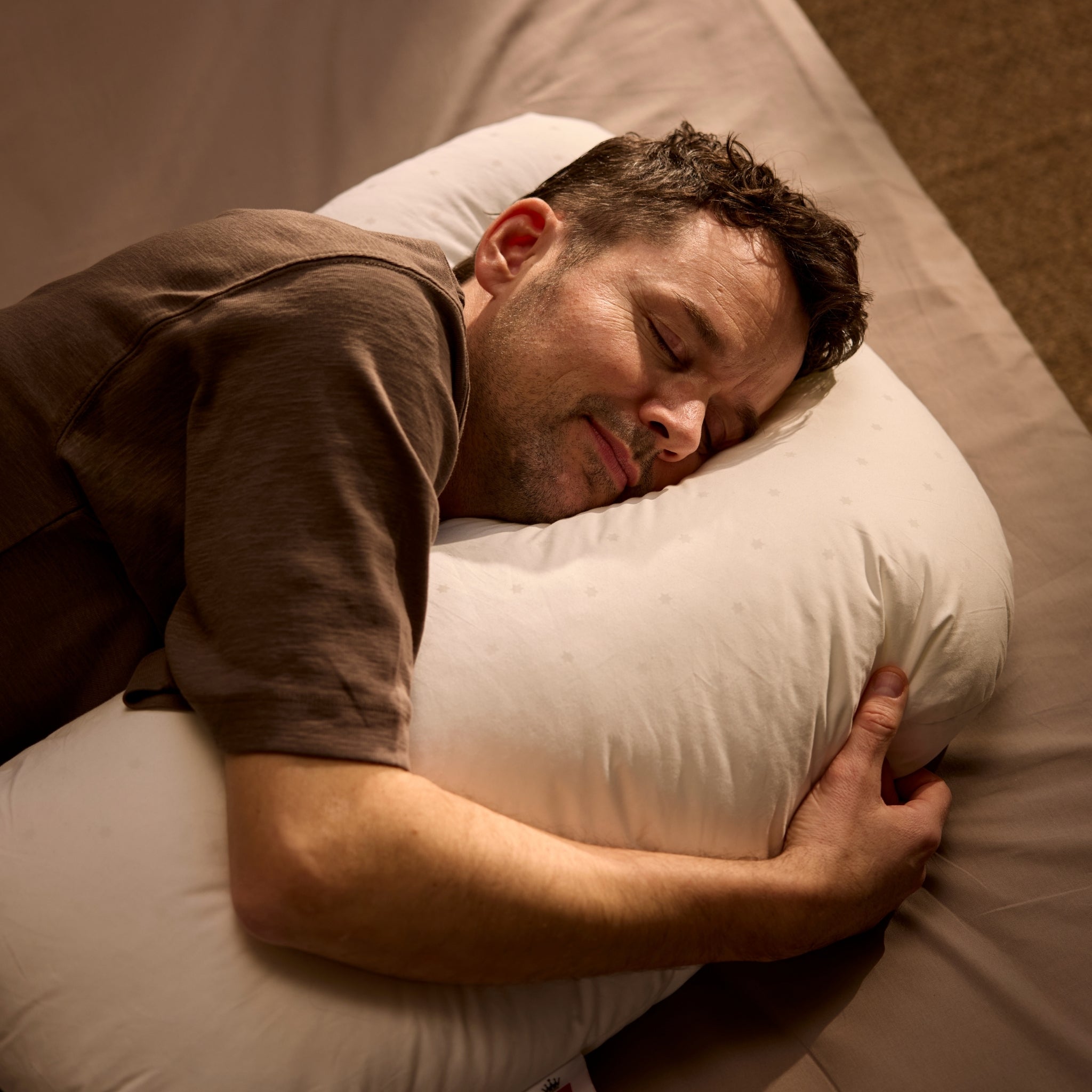








A good night's sleep
7 shortcuts to a better night’s sleep
Even though sleep should come naturally, many of us struggle to truly unwind at the end of the day. If you’ve ever spent a night tossing and turning without finding rest, these seven simple tips can help you create the conditions for calmer, deeper sleep.
Darkness plays an important role in preparing the body for sleep—it helps stimulate the production of melatonin, our natural sleep hormone. Melatonin makes us feel sleepy and helps guide us into restful sleep. However, many aspects of modern life make it harder for our bodies to recognise nature’s signals that it’s time to rest.
Try introducing just a few of these sleep shortcuts tonight. Imagine waking up tomorrow feeling fully rested and full of energy.
1. Create a calming evening routine
Preparing your body for sleep isn’t just helpful for children—it works for adults too.
Try going to bed at roughly the same time each evening and follow the same small routine steps in the same order: brushing your teeth, dimming the lights, closing the curtains, opening a window, applying hand cream—or whatever works for you. These signals help your body slow down and prepare for rest.
2. Turn off your screens before bedtime
We already know that blue light from screens—whether smartphones, tablets or TVs—can delay the brain’s release of melatonin and keep us awake longer.
Try switching off electronic screens at least one hour before bedtime. Instead, pick up a book. Quiet reading helps your brain relax and prepares you more naturally for sleep.
3. Choose meditation over late-night exercise
Just before bedtime isn’t the ideal moment for intense physical activity. Exercise stimulates the body and can make it harder to fall asleep.
Instead, try meditation, gentle stretching, massage, or simple breathing exercises to help encourage deeper, more restful sleep.
4. Skip late-day caffeine
Even if an evening coffee doesn’t stop you from falling asleep immediately, caffeine can make it harder to reach the deepest and most restorative stages of sleep.
Try having your last cup of coffee at least eight hours before bedtime—you may notice the difference quickly.
5. Keep your bedroom at the right temperature
Both overly warm and overly cool bedrooms can disturb your sleep. Research suggests that a bedroom temperature of around 18–19°C is ideal.
If your bedroom faces west and tends to stay warm in the evening, try opening a window before bedtime or using a fan. If it faces east and warms up early in the morning sunlight, blackout or reflective curtains can help keep the room cooler.
6. Create the right sleep environment
If you’re not comfortable in bed, restful sleep becomes difficult.
Make sure your mattress, duvet and pillow suit both your body and your preferred sleeping position. As a general guideline, mattresses typically last around 10 years, pillows about 2 years, and duvets around 5 years.
7. Wake up at the same time every day
Just as a consistent bedtime improves sleep quality, a regular wake-up time helps your body establish a stable rhythm.
A typical sleep cycle lasts around 90 minutes, so planning your sleep around complete sleep cycles can help you wake up feeling more refreshed. Over time, you may even find yourself waking naturally before your alarm—because your body has had the rest it needs.
That’s the best possible start to the day.
Explore our range of duvets and pillows here
Read more

Vegan duvets and pillows – sleep well with a clear conscience All Nordic Sleep by Fossflakes pillows, duvets, and comfort pillows are created without animal-derived materials and designed with care...

You’ve probably heard that smartphones and tablets aren’t the best companions for your sleep. But technology can actually help you sleep deeper, longer, and more comfortably—and wake up feeling mor...