


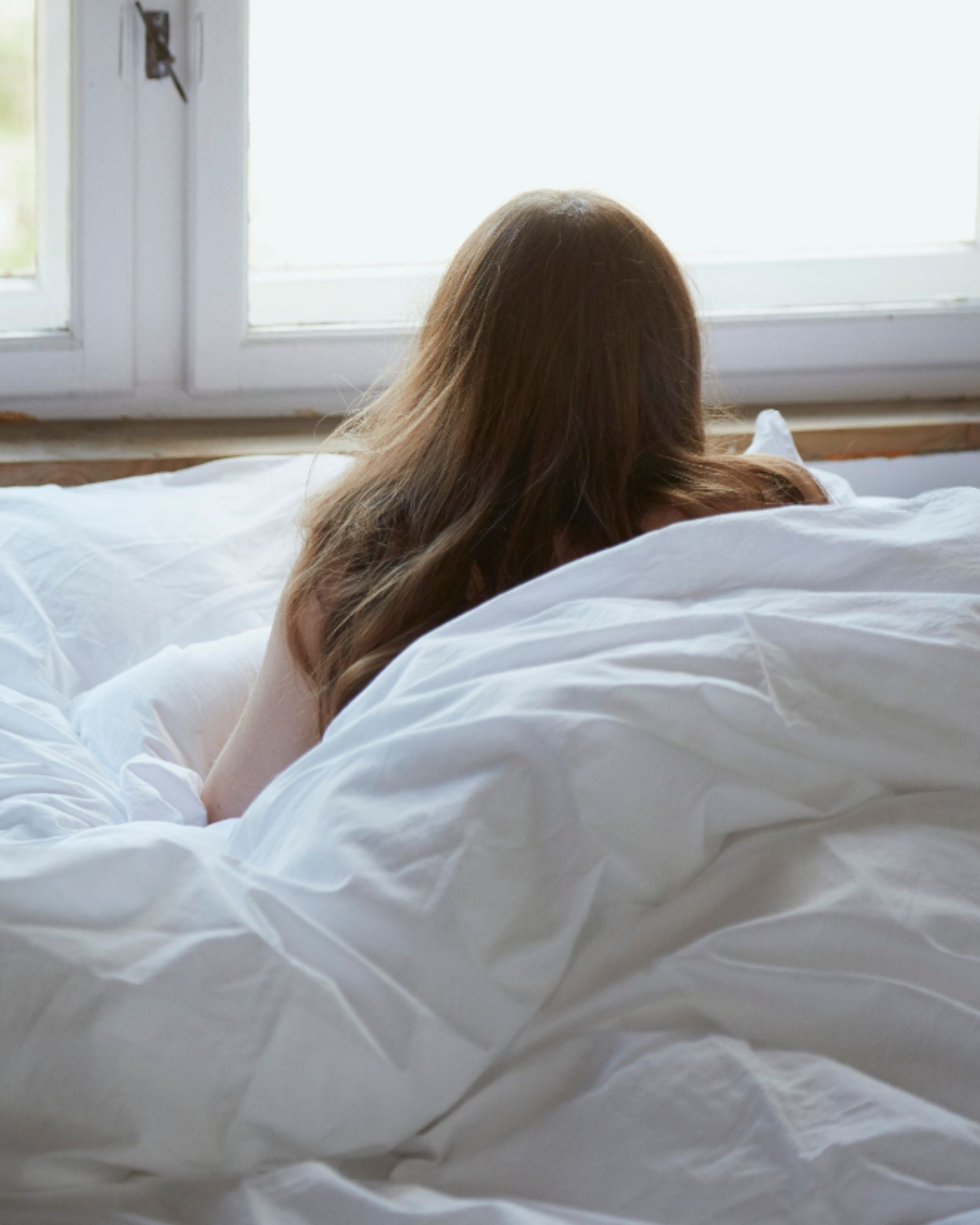
Why you’re not really relaxing - even when you think you are
Remember to truly unwind
Do you lie down on the sofa with your phone in hand or turn on Netflix when you feel the need to relax? Then you may actually be missing out on real rest—the kind where both body and mind truly recharge. Read on to discover what genuine downtime really looks like.
Scrolling through Instagram or Facebook, watching a few episodes of your favourite series, or browsing online shops—many of us think of these as relaxation. Activities where we “switch off” and disconnect from the world around us.
For some people that may be true. But for many of us, these activities can actually increase stress levels instead—whether it’s getting caught in an online debate, making an impulse purchase, or realising the evening disappeared without giving you the rest you needed.
Relaxation isn’t one single formula that works for everyone. It’s about discovering what helps you truly switch off—where both body and mind recharge and restore your energy.
1. Find what actually relaxes you
Relaxation isn’t defined by the activity itself—it’s defined by how you feel afterwards.
It might be a hobby, physical movement, social time, or simply doing something kind for yourself. The key is to notice what leaves you feeling calmer and more balanced.
After an activity, ask yourself whether you feel more relaxed and recharged. If the answer is yes, you’ve found something that works for you. If not, keep exploring until you do.
2. Take your relaxation seriously
If there’s one important rule when it comes to relaxation, it’s this: it doesn’t work halfway.
Two hours of genuine downtime are far more effective than six hours where you’re only partially relaxing because you’re still checking Instagram or answering emails.
It can help to consider what you actually need from your downtime. Do you need distraction from work? Do you need to recharge before socialising again? Or do you need calm because you feel overwhelmed or worried?
Understanding your needs makes it easier to choose the right type of rest.
3. Schedule time for yourself
If you wait for time to relax to appear on its own, it rarely will.
Prioritise yourself by setting aside time—even if it’s just fifteen quiet minutes during the day. Think of this as planning time to take care of yourself.
Be honest about what you need. Sometimes half an hour in a sunny chair is enough. Other times you may need a full day to sleep longer, take a bath, go for a walk, and spend time quietly on your own. If you underestimate your needs, you risk feeling rushed—or guilty for taking the time you actually needed.
4. Don’t treat relaxation as a reward
“I just need to finish my to-do list first—then I’ll relax.”
Sound familiar?
Unfortunately, that approach often leads to no relaxation at all. There’s always something else to do. And if you tell yourself that rest is only allowed after productivity, it quickly starts to feel like you’ve never done enough to deserve it.
Relaxation isn’t a luxury—it’s essential. It helps your body recover so you can function at your best.
5. Create the right conditions for real relaxation
A few people can sit down anywhere and completely switch off within minutes—but most of us benefit from supportive surroundings.
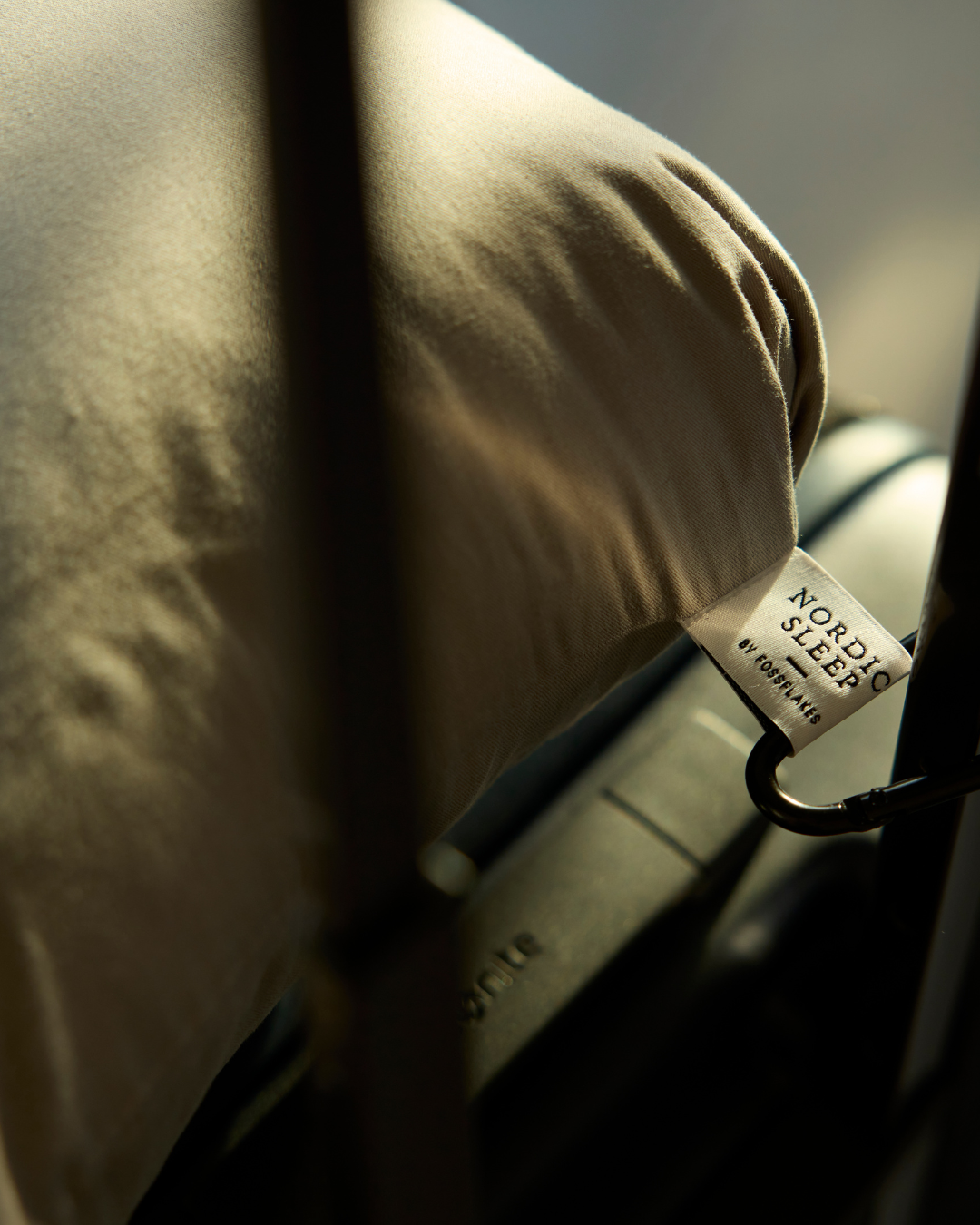
A comfort pillow from Nordic Sleep by Fossflakes helps your body—and therefore your mind—relax more deeply. Our large Comfort-U body pillow feels like an embrace that lasts all evening, thanks to its supportive Fossflakes® filling that maintains its shape without retaining excess heat.
If you prefer more targeted support, there are also smaller pillows designed to provide comfort exactly where you need it most.
Explore our relaxation-friendly pillows here
Read more

Do you long for the soft, airy feel of a down duvet, but struggle with a house dust mite allergy? Would you like to reduce the risk of allergies developing in the youngest members of your family? ...
Take comfort with you – wherever your journey takes you Few things can disrupt a trip like poor sleep. Long flights, uncomfortable car seats, or hotel pillows that simply don’t offer the support y...